Water is essential for life, but when it shows up in the wrong spots in your house, it can really mess things up. Unwanted water can lead to structural damage, mold, and repairs that cost a fortune. The good news is, you can prevent water damage in your home with a little know-how and some regular upkeep.
Keeping your home safe from water means understanding where the risks are and taking consistent, easy steps to stay ahead of problems.
Common leak sources, and how to prevent water damage from them
Water damage usually doesn’t start with a huge gush. More often, it kicks off as a slow, hidden leak that you don’t even notice until it’s already done a lot of harm. Knowing where to look is your first step to stopping it. Your home’s plumbing is the most obvious place to check. Drippy faucets, toilets that keep running, and puddles under the sink are all red flags. Even if they seem small, one leaky faucet can waste hundreds of gallons of water a year and cause moisture issues. It’s really helpful to understand the different types of water damage that can pop up in your home so you can prevent them and keep your living space healthy.
Appliances are another big source of leaks. Washing machine hoses can get old and crack, dishwashers can have seal problems, and water heaters can rust out. You should regularly check these connections and appliances.
Besides plumbing and appliances, take a look at the outside of your house. Clogged gutters can make water back up and seep under your roof, and if your yard isn’t sloped right, rainwater can flow straight to your foundation. If you find a long-standing leak that’s soaked your drywall, warped your floors, or left a musty smell, you might need professional water damage repair and restoration to properly dry everything out and stop mold from growing.
Seasonal maintenance to avoid surprises
Your home needs different things as the seasons change, and your maintenance routine should too. A little bit of seasonal work can really help you avoid water disasters.
Fall
Your main job is to get ready for colder, wetter weather. Clean out all the leaves and gunk from your gutters and downspouts. This makes sure rain and melting snow can flow freely away from your home’s foundation instead of pooling up and seeping into your attic or walls. It’s also the perfect time to disconnect and drain your outdoor hoses so they don’t freeze and burst.
Winter
Freezing temperatures can make pipes burst. Insulating pipes in unheated spots like basements, crawl spaces, and attics is super important. Let faucets drip a little during really cold snaps to keep water moving.
Spring
Check your roof for any shingles that got damaged or went missing over the winter. Make sure your sump pump is working correctly before the spring rains start.
Summer
Look for leaks in your air conditioning system’s drain lines and check any outdoor sprinklers for leaks that might be soaking the ground near your foundation.
Smart home tech for early detection
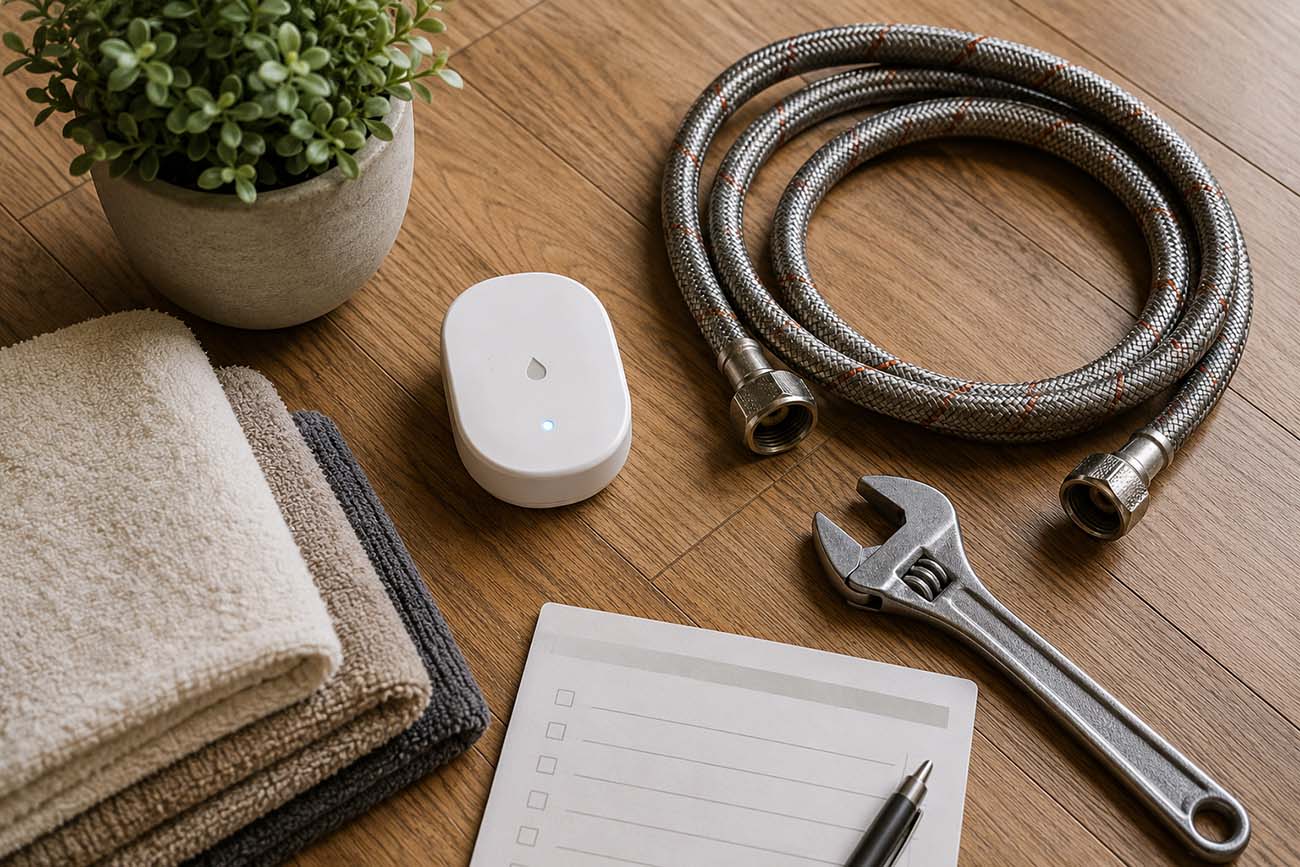
Technology gives us some powerful new ways to protect our homes. Smart water leak detectors are small, affordable gadgets that offer a ton of security. You just put these sensors in places where leaks are likely: under sinks, behind toilets, near water heaters, in the laundry room, and in the basement.
These devices connect to your home’s Wi-Fi. If a sensor finds moisture, it immediately sends an alert to your smartphone. This early warning lets you deal with a small leak before it turns into a huge flood, which is super helpful if you’re away on vacation or at work. You can get a heads-up about a problem and call a neighbor or plumber to help, potentially saving you thousands of dollars in damage.
For even more protection, you can install an automatic water shut-off valve. These devices go right into your home’s main water line. When they’re hooked up with leak sensors, the system can automatically turn off your water supply the second a leak is found, stopping the water flow completely. This tech can turn a potential disaster into just a small hassle.
What to do when water damage strikes
Even when you do everything right, accidents can still happen. Knowing what to do in those first few minutes can really cut down on the overall damage.
See also

Insurance and emergency preparation
Your homeowner’s insurance is a key part of your emergency plan, but it’s important to know what it covers and what it doesn’t. Most standard policies cover damage that happens suddenly and accidentally, like a burst pipe or a washing machine hose breaking. However, they usually don’t cover damage from long-term maintenance issues, like a slow leak you didn’t fix.
Also, damage from natural flooding, like a river overflowing, is almost always excluded and needs a separate flood insurance policy. Take some time each year to go over your homeowner’s insurance policy with your agent. Ask specific questions about your water damage coverage, your deductible, and any limits. If a repair ever does land outside what your policy covers, our guide to quick financial solutions for unexpected home repairs covers options worth knowing about ahead of time.
Beyond insurance, put together a simple emergency plan. Make a list of important phone numbers, including a reliable 24/7 plumber, your insurance agent, and a professional restoration company. Keep this list somewhere easy to find. Having this info handy will help you act fast and stay calm when things get stressful.
How to prevent water damage as part of your routine
Taking a proactive approach to preventing water damage is one of the smartest things you can do as a homeowner. Doing regular maintenance and being ready for the unexpected helps you protect your property and your money. For a broader look at keeping small issues from becoming expensive ones, see our guides on making your home less prone to damage and staying on top of home maintenance year-round.
Better Living may earn commissions through affiliate links and may occasionally feature sponsored or partner content. If you make a purchase through our links, we may receive a small commission at no cost to you.