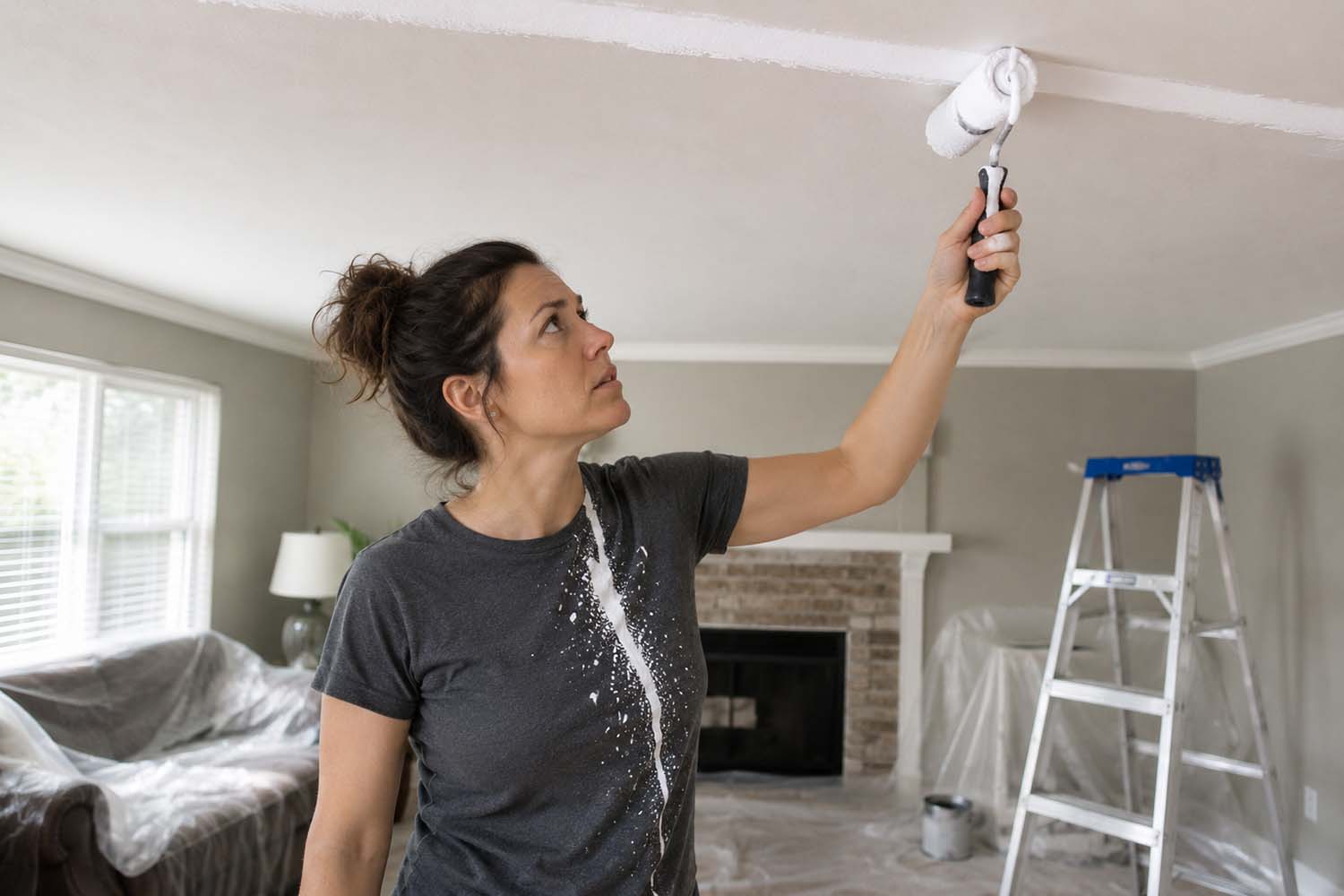
I was rolling the living room ceiling and misjudged the angle. A line of white latex paint crossed the front of my shirt before I could react. I did what seemed obvious: grabbed a wet cloth and blotted at it. The paint smeared sideways. I ran it under the tap. It faded slightly. I threw the shirt in the wash. It came out with a faint but permanent white shadow I still have not fully cleared.
The mistake was not the timing. I acted immediately. The mistake was not knowing what the paint was made of and what that meant for how to treat it. Latex paint behaves nothing like oil-based paint, and dried acrylic behaves nothing like wet acrylic. Using water on an oil-based stain, or soap alone on dried acrylic, does not just fail to help. In some cases it makes the stain more permanent. The type of paint is the single most important variable in this problem, and it needs to be identified before you do anything else.
The Short Answer:
Wet latex or acrylic paint: flush with warm water from the back of the fabric, apply dish soap or laundry detergent, work in gently, and wash on the warmest safe cycle. Act before it dries.
Dried acrylic paint: scrape off the dried film, apply rubbing alcohol to break the cured polymer, work in gently with a toothbrush, then dish soap, then wash in cold water.
Oil-based paint (wet or dried): apply turpentine or mineral spirits to a cloth and blot the stain from the back of the fabric. Apply dish soap immediately to remove the solvent residue. Rinse thoroughly before machine washing.
Never put a paint-stained garment in the dryer before confirming the stain is gone. Heat permanently sets every type of paint into fabric.
The First Step: Identify Your Paint Type
Every paint removal method in this guide depends on what the paint is made of. Using water on oil-based paint, or dish soap alone on dried acrylic, will not work and can make the stain harder to remove. Identify the paint type before applying any treatment.
How to tell if you know what paint was used: Check the paint can or tube. If it says “clean up with soap and water” or “water cleanup,” it is water-based (latex or acrylic). If it says “clean up with mineral spirits” or “paint thinner,” it is oil-based.
How to tell if the paint has already dried and you are not sure: Apply a small amount of acetone (nail polish remover) to a cotton ball and rub it on the dried stain in an inconspicuous area. If paint transfers to the cotton ball, the paint is water-based (latex or acrylic). If nothing transfers, it is oil-based. Test acetone on a hidden seam first it can damage acetate, triacetate, and modacrylic fibers.
If you are still unsure and the paint is still wet, try warm water and dish soap first. If that makes no visible progress within 30 seconds, stop and proceed with solvents as if it were oil-based. If the paint is already dry and you cannot identify it, treat as oil-based: turpentine and mineral spirits can dissolve both oil binders and dried acrylic without significantly harming most fabrics, while water-based treatment on oil-based paint accomplishes nothing and delays proper treatment.
Tempera, watercolor, and chalk paint are all water-based and treated exactly like wet latex paint: warm water flush, dish soap, warm wash. Tempera and watercolor are the most forgiving paints in terms of removal because they contain no polymer binders and remain water-soluble even after drying.
Does Paint Come Out of Clothes?
Yes, in most situations. Fresh water-based paint (latex and acrylic) comes out completely with prompt treatment in almost every case. Dried acrylic is more difficult but recoverable with rubbing alcohol in most cases. Oil-based paint requires solvents but is usually recoverable when treated correctly. Spray paint is the most stubborn and may require professional cleaning for set stains.
The situations where paint may not fully come out are: any paint that has been through the dryer (heat permanently bonds paint to fabric), very old dried oil-based paint on natural fibers, and spray paint on delicate or dry-clean-only garments.
By Paint Type
Latex and Acrylic Paint Fresh (Still Wet)
Fresh water-based paint is still water-soluble. Act before it dries and this is the easiest stain in this guide.
- Scrape off any excess wet paint with a dull knife or spoon, working from the outside of the stain inward.
- Turn the garment inside out and flush with warm running water from the back of the fabric to push the paint out rather than deeper in.
- Apply dish soap or liquid laundry detergent directly to the stain. Work it into a lather with your fingers and let it sit for at least 15 minutes.
- Rinse and check. Repeat the soap step if paint remains.
- Machine wash on the warmest cycle the care label allows.
- Check before drying. If any paint remains, repeat before the garment goes in the dryer.
Note: if you cannot treat immediately, keep the stain wet by pressing a damp cloth against it. Dry paint is significantly harder to remove. Do not use hot water on wet acrylic: it can partially set the polymer before you have treated it.
Acrylic Paint Dried
Dried acrylic is no longer water-soluble. The polymer has cured into a plastic-like film bonded to the fibers. Rubbing alcohol breaks down the film; water and soap alone cannot penetrate it.
- Scrape off as much dried paint as possible with a dull knife, credit card, or stiff-bristled brush. Work carefully to avoid damaging the fabric weave.
- Dampen the stained area lightly with warm water first. This softens the dried paint film slightly and helps the alcohol penetrate faster. Then apply rubbing alcohol (isopropyl 70% or higher) directly to the stained area. Let it soak into the paint film for two to three minutes.
- Use an old toothbrush to work the alcohol into the stain in small circular motions. The dried paint will begin to loosen and lift from the fibers.
- Blot with a clean white cloth. Reapply alcohol and repeat until no more paint transfers to the cloth.
- Apply dish soap or laundry detergent to remove the alcohol residue and any remaining paint particles. Work in gently and let sit for 10 minutes.
- Machine wash in cold water. Cold rather than warm here: warm water can re-set any paint residue that the alcohol loosened but did not fully remove.
- Check before drying. Repeat the alcohol and soap steps if any paint remains.
Alternative solvents for dried acrylic: hand sanitizer and hairspray both contain alcohol and work by the same mechanism. Hairspray contains additional plasticizers that some sources find helpful for loosening dried acrylic paint film. Apply, let sit, and scrub with a toothbrush as above.
Oil-Based Paint Fresh or Dried
Oil-based paint is not water-soluble at any stage. Water and dish soap alone cannot dissolve the oil binder. A petroleum-based solvent is required. The treatment is the same whether the paint is wet or dried, though fresh stains respond faster.
- Scrape off as much paint as possible with a dull knife or spoon.
- Place a piece of cardboard or a folded paper towel under the stained area before applying solvent. This prevents turpentine or mineral spirits from soaking through to other parts of the garment. Apply turpentine or mineral spirits to a clean cloth. Blot the stain from the back of the fabric using a tamping motion, working from the outside in. Do not rub: rubbing spreads the paint and embeds it deeper. As paint loosens, move to a clean section of cloth.
- Continue blotting and rotating to fresh sections of cloth until no more paint transfers. This may take several minutes on a set stain.
- Apply dish soap directly to the treated area immediately. The dish soap emulsifies the petroleum solvent residue so it can be rinsed away. Work in gently and let sit for 10 minutes.
- Rinse the treated area thoroughly with warm water.
- Machine wash on the warmest cycle the care label allows. Use extra detergent.
- Check before drying. Repeat if needed. Do not put solvent-treated garments in the dryer until you are confident the solvent has been fully rinsed out: turpentine and mineral spirits are flammable.
Turpentine vs. mineral spirits: both dissolve oil-based paint effectively. Turpentine is stronger and faster but has a stronger odor and is slightly more aggressive on some synthetic fibers. Mineral spirits is gentler and lower-odor, making it the better choice for most clothing applications. Use both in a well-ventilated area and away from heat sources. Neither is safe on silk, rayon, acetate, or most delicate knits. See the guide to removing tree sap from clothing for the same solvent chemistry applied to another resin-based stain.
Spray Paint
Spray paint is typically lacquer or enamel-based and dries in seconds. It is the most stubborn paint in this guide and requires acetone or lacquer thinner. Act immediately the window between treatable and very difficult is measured in seconds.
- Spot test acetone on a hidden seam before treating. Acetone dissolves acetate, triacetate, and modacrylic fibers. Check the care label for fiber content. If the label indicates any of these fibers, take the garment to a professional cleaner.
- Apply acetone (nail polish remover) to a cotton ball or clean cloth. Dab the stain, blotting from the outside in. Do not rub.
- Blot repeatedly with fresh sections of cloth as paint transfers. Reapply acetone as needed.
- Apply dish soap to the treated area. Work in gently and let sit 10 minutes.
- Rinse thoroughly with warm water.
- Machine wash and check before drying. For spray paint that has been dried for more than a few hours, professional cleaning gives better results than home treatment.
On delicate or dry-clean-only fabrics: do not apply acetone. Blot what you can with a dry cloth and take to a dry cleaner immediately. Tell them the paint type.
Emergency field treatment when you cannot get to a sink: Hand sanitizer works on fresh or lightly dried acrylic and latex paint because of its alcohol content. Apply generously, work in with a fingertip, and blot with a clean cloth. It buys time before proper treatment. A stain remover pen with enzyme formula helps prevent the paint from bonding further while you wait. For oil-based paint in the field, duct tape pressed firmly against the stain and peeled off can remove loose surface paint before it sets.
For the solvent residue left after treating oil-based paint or spray paint, the same dish soap degreasing approach that clears engine grease from work clothes applies here. See the guide to getting grease out of clothes for the full degreasing protocol if the petroleum residue is persistent after washing.
An enzyme stain remover applied after solvent treatment and before the machine wash cycle helps clear any remaining organic residue from oil binders and acrylic polymers that the solvent loosened but did not fully remove.
The Full Protocol for Unknown Paint Type
If you are not sure what type of paint you are dealing with, follow this sequence.
Step 1: Scrape off any excess paint with a dull knife or spoon.
Step 2: Test the dried stain with acetone on a cotton ball in a hidden area. If paint transfers, treat as water-based (go to Step 3a). If nothing transfers, treat as oil-based (go to Step 3b).
Step 3a (water-based): Apply rubbing alcohol to break the dried film, work in with a toothbrush, blot. Then dish soap, rinse, and cold water wash.
Step 3b (oil-based): Apply turpentine or mineral spirits to cloth and blot from the back of the fabric. Then dish soap immediately, rinse thoroughly, warm water wash.
Step 4: Check before drying. Do not put the garment in the dryer until the stain is confirmed clear.
Step 5: If stain remains, repeat the appropriate treatment. Apply enzyme stain remover before the second wash for additional penetration.
Never do these things:
- Don’t put a paint-stained garment in the dryer. Heat permanently bonds every type of paint to fabric fibers. Always confirm the stain is fully gone before any dryer use.
- Don’t use water on oil-based paint. Water cannot dissolve oil binders. It can actually help the paint set faster by cooling it and initiating the curing process. Use a solvent first.
- Don’t use hot water on wet acrylic paint. Hot water can partially set the acrylic polymer before you have had a chance to treat it. Use warm water for latex and acrylic and keep the treatment quick.
- Don’t rub paint stains. Rubbing spreads paint laterally and drives it deeper into the fiber weave. Blot, tamp, and press. Use a toothbrush in small circular motions for dried acrylic only after the solvent has loosened the film.
- Don’t use turpentine or mineral spirits on silk, rayon, acetate, or delicate knits. These solvents can damage delicate fibers and should not be used on dry-clean-only garments. Take those to a professional cleaner and describe the paint type.
- Don’t use acetone on acetate, triacetate, or modacrylic. Acetone dissolves these fibers. Check the care label before using acetone on any garment.
- Don’t machine wash without rinsing solvents first. Turpentine, mineral spirits, and acetone are flammable. Rinse the treated area thoroughly with water before putting the garment in the washing machine or dryer.
By Fabric Type
Cotton and linen: Most forgiving. Handle all solvents including turpentine, mineral spirits, rubbing alcohol, and acetone with appropriate spot testing. All paint types are treatable at home on cotton and linen.
See also

Denim: Same as cotton. Handles all solvents. Scraping dried paint with a stiff brush works particularly well on denim’s textured weave before solvent application.
Polyester and synthetics: Rubbing alcohol is safe on most polyester. Mineral spirits with careful spot testing. Avoid turpentine, which can affect some synthetic dyes. Acetone should be spot-tested safe on polyester but can affect synthetic dyes. Machine wash in cold after solvent treatment.
Silk and rayon: No solvents at home. Water-based paint on silk: blot with cold water and mild detergent as a temporary measure and take to a dry cleaner promptly. Oil-based paint or spray paint on silk: do not apply any solvent. Blot what you can and take to a dry cleaner immediately. Describe the paint type.
Wool: No strong solvents. For water-based paint, diluted dish soap in cold water applied gently. For oil-based paint, mineral spirits on a cotton ball applied very carefully, then dish soap, cold water rinse, hand wash in wool-safe detergent. Professional cleaning for significant stains.
Dry-clean-only: Blot excess paint with a dry cloth. Do not apply water or any solvent. Take to a dry cleaner as quickly as possible and describe the paint type, color, and how long it has been on the fabric. Early professional treatment is almost always successful.
What Does Not Work
Water alone on any paint that has dried: even latex and acrylic, which are water-soluble when wet, become water-resistant once the polymer cures. Water cannot penetrate the dried film without a solvent or detergent.
Dish soap alone on dried acrylic: dish soap is a surfactant that lifts organic residue but cannot break through the cured plastic-like film of dried acrylic paint. Rubbing alcohol is the correct solvent for this specific problem.
Water on oil-based paint: oil and water do not mix. Water accomplishes nothing and delays proper solvent treatment while the paint continues to set.
Rubbing vigorously: regardless of paint type, rubbing spreads the stain and drives paint into the fiber weave. Every method in this guide uses blotting, tamping, or gentle circular scrubbing after the solvent has already loosened the paint.
Vinegar alone: white vinegar may help with very fresh, very light latex paint on some fabrics, but it is not a reliable paint removal agent and is not effective on acrylic, oil-based, or spray paint.
The One Thing I Wish I Had Known Sooner
The shirt was latex. Latex comes out immediately with water and dish soap if you act in the first few minutes. I had less than two minutes from the moment it landed to when I started blotting at it, which should have been more than enough. But I blotted instead of flushing, I used a cold damp cloth instead of running water, and I did not apply dish soap for another ten minutes because I was trying to minimize the mess. By then enough of the latex had dried at the edges that the center flushed clean but the perimeter set as a ring. I now keep a squeeze bottle of dish soap in the painting supplies specifically for this situation. The treatment is so simple on fresh latex paint that the only way to fail is to not do it within the first few minutes.
Final Thoughts
Paint stain removal is a paint type problem before it is anything else. Water-based paint comes out easily when fresh and requires rubbing alcohol when dried. Oil-based paint requires petroleum solvents at any stage and water makes it worse. Spray paint requires acetone and professional cleaning for anything set more than a few hours. In every case: confirm the type, apply the right solvent, rinse solvents thoroughly before the dryer, and check before drying. If after two full treatment rounds the stain has not cleared, the garment may be a candidate for repurposing as a dedicated work or painting shirt rather than a clothing loss.
Frequently Asked Questions
Does paint come out of clothes in the wash?
Fresh water-based paint (latex and acrylic) usually comes out in the wash with pre-treatment. Dried acrylic paint is water-resistant and will not fully come out without rubbing alcohol pre-treatment before washing. Oil-based paint will not come out in the wash regardless of water temperature: it requires a petroleum-based solvent before laundering. Spray paint typically requires professional treatment once dried. Never put a paint-stained garment in the dryer before confirming the stain is fully removed.
How do you get dried paint out of clothes?
It depends on the paint type. For dried acrylic: scrape off as much as possible, apply rubbing alcohol, work in with a toothbrush, blot, then dish soap, then cold water wash. For dried oil-based paint: scrape, apply turpentine or mineral spirits blotted from the back of the fabric, dish soap immediately after, rinse thoroughly, warm water wash. For dried latex: same as acrylic. The key distinction is that dried acrylic and latex can no longer be removed with water alone.
How do you get acrylic paint out of clothes?
Wet acrylic paint: flush with warm water from the back of the fabric, apply dish soap, work in and let sit 15 minutes, then machine wash warm. Dried acrylic paint: scrape the dried film, apply isopropyl alcohol (70% or higher), work in gently with a toothbrush until the film loosens, blot, apply dish soap, then machine wash cold. Do not use hot water on wet acrylic paint.
How do you get oil-based paint out of clothes?
Apply turpentine or mineral spirits to a clean cloth and blot the stain from the back of the fabric in a tamping motion. Do not rub. Continue blotting with fresh cloth sections as paint transfers. Apply dish soap immediately over the solvent-treated area to emulsify the petroleum residue. Rinse thoroughly with warm water before machine washing. Do not put the garment in the washing machine or dryer until you have thoroughly rinsed out the solvent.
Does rubbing alcohol remove paint from clothes?
Yes, for dried acrylic and latex paint. Rubbing alcohol (isopropyl 70% or higher) breaks down the cured acrylic polymer film that forms when water-based paint dries. Apply directly to the dried stain, work in with a toothbrush, and blot repeatedly until the paint lifts. It is not effective on oil-based paint, which requires petroleum solvents. Always rinse out the rubbing alcohol before machine washing.
How do you get spray paint out of clothes?
Spray paint is typically lacquer or enamel-based and dries extremely fast. For fresh spray paint: apply acetone (nail polish remover) to a cloth and blot immediately, then dish soap, then wash. First test acetone on a hidden seam it damages acetate, triacetate, and modacrylic fibers. For dried spray paint: acetone with longer dwell time, or professional cleaning. Set spray paint on delicate fabrics requires a dry cleaner.
What removes dried paint from fabric?
For dried water-based paint (acrylic, latex): isopropyl rubbing alcohol. For dried oil-based paint: turpentine or mineral spirits. For dried spray paint (lacquer or enamel): acetone on safe fabrics, professional cleaner otherwise. No single product removes all paint types. The solvent must match the chemistry of the paint’s binder.
Better Living may earn commissions through affiliate links and may occasionally feature sponsored or partner content. If you make a purchase through our links, we may receive a small commission at no cost to you.