

Can You Really Reduce Allergy Symptoms at Home?
Yes. A combination of better indoor air quality, timed medications, and a few smart daily habits can significantly reduce how hard pollen season hits you. The key is acting before symptoms peak, not after.
Fastest win: Start your allergy medication two to four weeks before your season begins, and shower at night instead of in the morning to keep pollen off your pillow.
Medical Disclaimer: This article is for informational purposes only and is not medical advice. Always consult your healthcare provider before making changes to your medication routine, especially if you take medications or have existing health conditions.
Achoo! If your eyes are watering, your nose will not stop running, and the word “outside” fills you with dread, you are not imagining it. Allergy season is genuinely getting worse. According to the Asthma and Allergy Foundation of America (AAFA), longer and more intense pollen seasons caused by the impact of climate change mean allergy symptoms hit harder and last longer each year. Some parts of the United States now experience pollen year-round.
The good news is that there is a lot you can do about it. Whether you want to build a pollen fortress out of your home, time your medications correctly, or finally understand why March through October now feels like one endless sneeze, this guide covers everything. Jay Ayers, Indoor Air Quality Product Manager at Trane Heating and Cooling, contributed the foundational home air quality tips in this guide, and we have updated the post with the latest guidance from allergists, researchers, and public health authorities.
Key Takeaways at a Glance
| Tip | Why It Helps | Difficulty |
|---|---|---|
| Start meds early | Preventive use blocks histamine before it fires | Easy |
| Keep windows closed | Stops pollen from entering your breathing space | Easy |
| Upgrade air filtration | HEPA removes up to 99.97% of airborne particles | Moderate |
| Change clothes at door | Pollen clings to fabric and transfers to furniture | Easy |
| Shower before bed | Washes daily pollen off hair and skin before it hits your pillow | Easy |
| Saline nasal rinse | Physically flushes pollen from nasal passages | Easy |
| Wash bedding weekly | Removes settled pollen and kills dust mites at 130°F | Easy |
| Use a dryer | Line-drying coats clean laundry in fresh pollen | Easy |
| Allergen bedding covers | Creates a physical barrier around mattress and pillows | Moderate |
| Dust and vacuum often | Removes settled pollen before it recirculates | Moderate |
| Trim the lawn | Shorter grass holds less airborne pollen | Moderate |
| Check pollen counts | Helps you plan outdoor time around low-count windows | Easy |
| Consider immunotherapy | The only treatment that changes the underlying immune response | Long-term |
Why Allergy Season Keeps Getting Worse
Before getting into the tips, it helps to understand what you are up against. A 2021 study found that human-caused warming is a primary driver of North American pollen seasons lengthening by an average of 20 days from 1990 to 2018, according to analysis by Climate Central. Warmer temperatures give plants more time to grow and release pollen, pushing the season earlier in spring and later into fall.
The AAFA 2026 Allergy Capitals report confirms that increased moisture from extreme weather events directly impacts pollen seasons the following year. Well-watered trees produce significantly more pollen, and grasses grow denser and taller after wet winters and springs, releasing larger amounts earlier than the year before.
Rising carbon dioxide levels also matter. Higher atmospheric CO2 causes some plants, particularly grasses and ragweed, to produce more pollen and more allergenic pollen. The result is that even people who never had allergies before are starting to develop them as adults. This is also why the spring health tips that worked a decade ago may not feel like enough anymore.
Know Your Pollen Calendar
Not all pollen is the same, and understanding which type is peaking when can help you time your precautions. Tree, grass, and weed pollen each have their own windows, and with climate change shifting those windows earlier and later, it pays to stay informed.
| Pollen Type | Peak Season | Common Sources | Primary Symptoms |
|---|---|---|---|
| Tree Pollen | Feb through May | Oak, birch, maple, cedar, pine | Sneezing, congestion, itchy eyes |
| Grass Pollen | May through July | Timothy, Bermuda, Kentucky bluegrass, ryegrass | Runny nose, watery eyes, skin irritation |
| Weed Pollen | Aug through first frost | Ragweed, pigweed, sagebrush, nettle | Severe nasal symptoms, asthma triggers |
Pollen release typically peaks between 5 and 10 a.m. and again in the late afternoon. Check a real-time tracker like pollen.com before heading out on high-count days.
13 Ways to Reduce Allergy Symptoms This Pollen Season

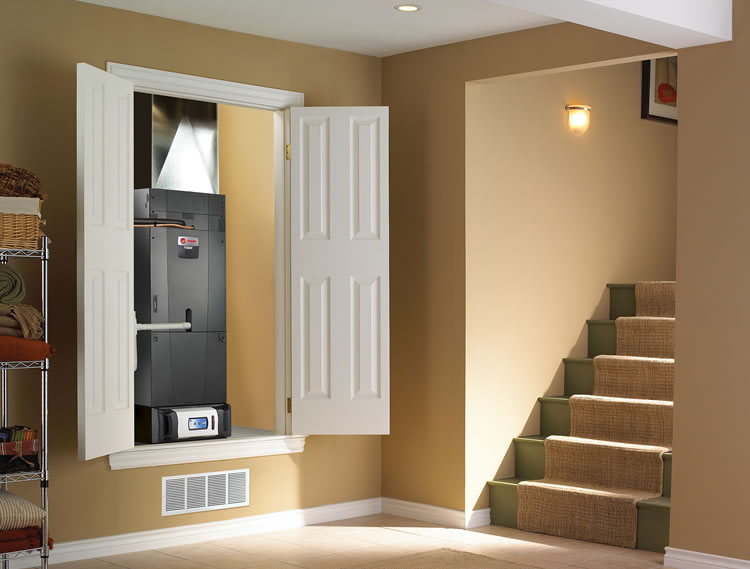
The Trane CleanEffects Whole-Home Air Filtration System removes up to 99.98% of airborne allergens including pollen, dust, and pet dander. Photo courtesy of Trane Heating and Cooling.
Frequently Asked Questions
When does pollen season start and end?
In most of the United States, tree pollen begins in February or March and runs through May. Grass pollen peaks from May through July. Weed pollen, with ragweed being the most common trigger, runs from August through the first hard frost, which in many regions falls in October or November. Climate change is pushing these windows earlier and later, so symptoms that arrive in February or persist into November are increasingly common.
What time of day is pollen lowest?
Pollen counts are generally at their lowest in the late afternoon and early evening, particularly after rainfall. Counts are highest in the early morning between roughly 5 and 10 a.m. If you want to exercise outdoors, mid to late afternoon on a day following rain is your best window.
Can indoor air be worse than outdoor air for allergy sufferers?
Yes. The ACAAI notes that the EPA identifies indoor air pollution as one of the top five environmental health risks. Pollen enters the home on clothing, through open windows, and via pets, then settles into carpets, upholstered furniture, and bedding where it accumulates. Without proper air filtration, regular cleaning, and allergen covers on bedding, indoor air can recirculate allergens continuously. See also: new research linking indoor air quality to rising anxiety.
How early should I start allergy medication?
Most allergists recommend starting antihistamines or nasal steroid sprays two to four weeks before the pollen type you react to typically peaks in your area. If you usually suffer during tree pollen season in March, beginning a regimen in late February gives the medication time to work preventively rather than reactively.
Are allergy shots worth it?
For people with moderate to severe allergies that do not respond adequately to medication, immunotherapy has a strong evidence base. According to the Cleveland Clinic, you may need regular shots for up to five years, but they can provide a great amount of relief from severe allergies. It is the only current treatment that changes the underlying immune response rather than just managing symptoms.
What can I do for allergies at night?
Showering before bed, using allergen-encasing pillow and mattress covers, washing bedding weekly at 130°F, and keeping bedroom windows closed during peak pollen hours are the four highest-impact nighttime strategies. If you still struggle, a HEPA air purifier running in the bedroom overnight makes a meaningful difference. Our guides on sleeping better naturally and good sleep hygiene have additional tips that work alongside allergy management.
The Bottom Line
The AAFA 2026 Allergy Capitals report confirms that climate-driven changes in growing seasons are pushing pollen levels and allergen potency higher across the country year after year. The good news is that a combination of good indoor air quality, smart daily habits, and the right medications or long-term treatment can make a meaningful difference. Start with the tips that are easiest for you to implement right now, whether that is an evening shower routine, a saline rinse, or upgrading the filter on your HVAC system, and build from there.
And if seasonal allergies are disrupting your sleep, work, and daily life, reach out to a board-certified allergist. With the testing and treatment options available today, suffering through every spring and fall is not the only choice.
For more spring wellness reading, explore our guides on essential oils for spring allergies, spring health tips, and the science behind common allergies.
Disclaimer: This article is for educational purposes only and is not intended to diagnose, treat, cure, or prevent any disease. The information provided is not a substitute for professional medical advice, diagnosis, or treatment.
Always seek the advice of your physician or other qualified health provider with any questions you may have regarding a medical condition. Never disregard professional medical advice or delay in seeking it because of something you have read in this post.
Better Living may earn commissions through affiliate links and may occasionally feature sponsored or partner content. If you make a purchase through our links, we may receive a small commission at no cost to you.