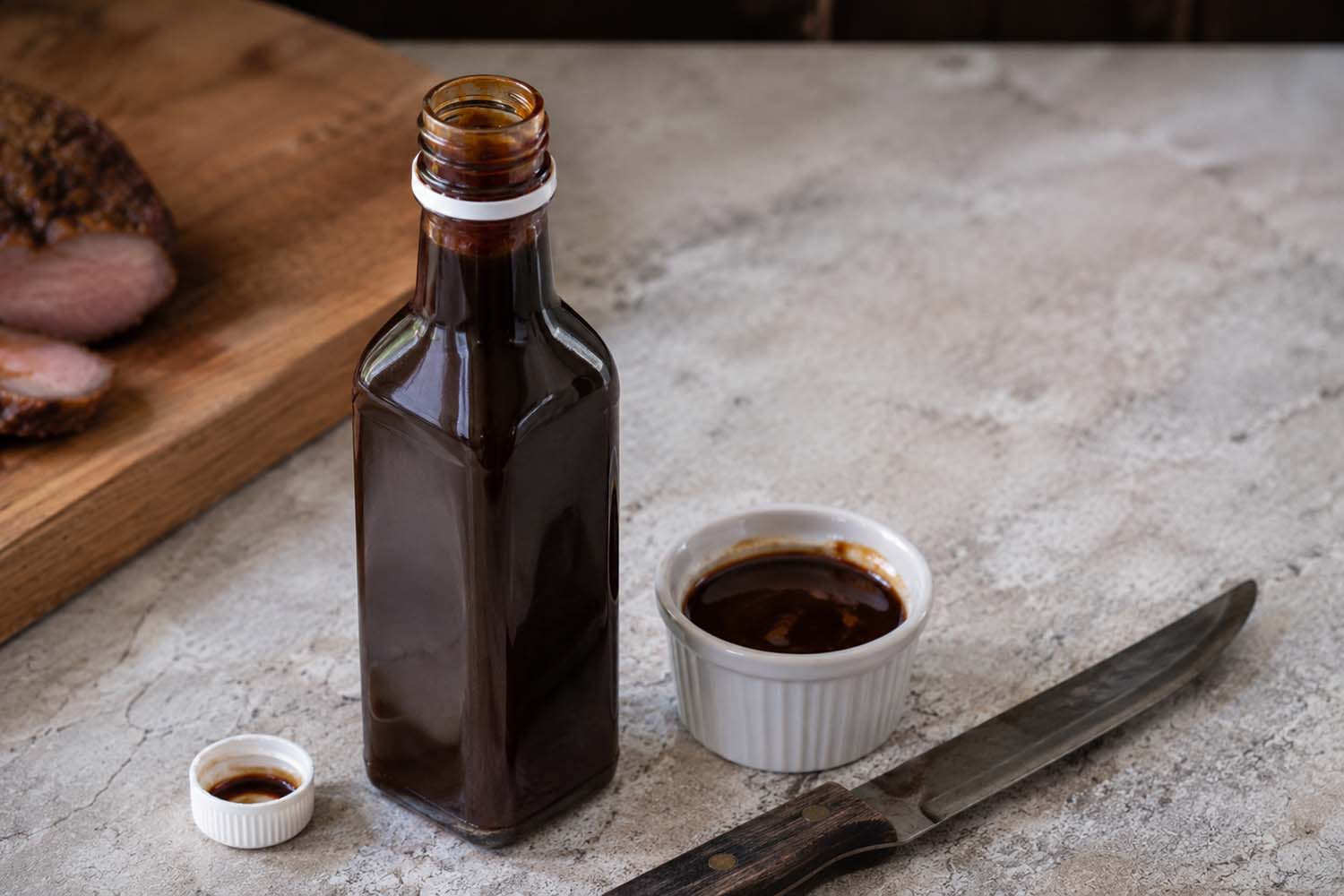
You reach into the back of the pantry and find a bottle of A1 that has been there longer than you can remember. The label has a best-by date from two years ago. Is it still safe? Does A1 sauce actually go bad?
Does A1 sauce go bad?
The short answer: Yes, A1 sauce does go bad, but it is one of the most shelf-stable condiments in your kitchen. An unopened bottle stays at best quality for 2 to 3 years in the pantry. Once opened and refrigerated, A1 lasts up to 2 years. Left open in the pantry, quality declines noticeably after 6 months to 1 year. Spoilage is almost always a quality issue rather than a safety concern.
For a complete reference on storing over 100 foods, see our Food Storage Guide.
- Unopened A1 sauce is pantry-stable for 2 to 3 years. The best-by date is a quality indicator, not a safety cutoff.
- Opened and refrigerated A1 stays at best quality for up to 2 years. Opened and left in the pantry, quality declines after 6 months to 1 year.
- The Kraft Heinz label says “refrigerate after opening for best quality,” which is a quality recommendation, not a food safety requirement.
- True spoilage signs are mold around the cap, a rancid or off smell, or flat flavorless taste. A1 darkening slightly over time is normal, not a spoilage sign.
Does A1 Sauce Actually Expire?
A1 sauce does not have a true expiration date in the food safety sense. The date on the bottle is a best-by date, which is the manufacturer’s estimate of how long the sauce will stay at peak flavor and quality.
Kraft Heinz, the manufacturer of A1, is not required by federal law to print an expiration date on shelf-stable condiments. The best-by date exists for quality purposes, not safety purposes. An unopened bottle stored properly in a cool, dark pantry will very likely still be safe and usable after that date, though the flavor may be somewhat less complex than it was when the bottle was new.
🔬 Why A1 Is So Shelf-Stable
A1 sauce is formulated with multiple natural preservatives working together. The confirmed ingredient list includes tomato puree, raisin paste, spirit vinegar, corn syrup, salt, crushed orange puree, dried garlic and onions, spice, celery seed, caramel color, potassium sorbate, and xanthan gum. The combination of high acidity from spirit vinegar, high sugar content from corn syrup and raisin paste, and high salt creates an environment where bacteria cannot easily survive. This is the same preservation principle that makes ketchup, Worcestershire sauce, and soy sauce so durable. A1 sits firmly in the shelf-stable condiment category.
How Long Does A1 Sauce Last?
Shelf life depends almost entirely on whether the bottle has been opened and how it is stored.
| Storage Condition | Best Quality |
|---|---|
| Unopened, cool dark pantry | 2 to 3 years |
| Opened, refrigerated | Up to 2 years |
| Opened, cool pantry | 6 months to 1 year |
| Opened, stored near stove or in heat | Quality declines rapidly |
These figures are consistent with USDA FoodKeeper guidelines for tomato and vinegar-based condiments, which place A1 in the same category as ketchup. For a direct comparison of how A1 stacks up against other steak sauces and condiments, see our full guide on whether steak sauce goes bad.
How to Tell If A1 Sauce Has Gone Bad
Checking A1 sauce for spoilage is straightforward. Look for three things in order: appearance, smell, and taste.
- Mold around the cap or rim. A1 sauce is acidic enough that mold rarely develops inside the bottle, but the cap and rim can accumulate sauce residue that is exposed to air. Any visible mold, regardless of color, means discard the bottle.
- Fizzing or bubbling when opened. Any gas activity indicates fermentation. Discard immediately.
- A rancid, off, or sour smell that is clearly wrong. A1 normally has a complex tangy, savory aroma. A sharp, genuinely unpleasant smell that is different from its normal character is a sign the sauce has degraded beyond use.
- Darkening color. A1 naturally deepens in color over time due to the caramel color and the oxidation of tomato and fruit compounds. A darker bottle is not a sign the sauce is unsafe.
- White crystals on the lid. These are harmless salt crystals. Wipe them off and continue using the sauce.
- Slightly thickened texture. The tomato and fruit pectin base can cause gentle thickening over time. If it stirs back to normal, the sauce is fine.
- Milder or flatter flavor. If A1 tastes less complex than it used to but still smells and looks normal, this is a quality decline, not spoilage. The sauce is safe but past its prime.
See also

How to Store A1 Sauce Properly
Proper storage is what determines whether an opened bottle lasts 6 months or 2 years.
- Refrigerate after opening. The Kraft Heinz label recommends refrigerating after opening for best quality, and this is sound advice. Cold temperatures slow both oxidation and any residual microbial activity, keeping the flavor at its best for up to 2 years.
- Store unopened bottles in a cool, dark pantry. Heat and light accelerate flavor and color degradation even through a sealed bottle. Keep A1 away from the stove, oven, and any window that gets direct sunlight.
- Always wipe the rim before replacing the cap. Sauce residue left on the rim can develop mold at the cap even when the sauce inside is perfectly fine. A quick wipe after each use prevents this.
- Use pour-from-the-bottle, not a spoon dipped in. Introducing food particles from a used utensil creates a contamination risk that shortens shelf life. Pour or use a clean utensil every time.
- Label the opening date. A1 bottles can disappear to the back of the fridge for months. A date on the label removes all guesswork.
Does A1 Need to Be Refrigerated After Opening?
A1 sauce does not require refrigeration for food safety after opening, but the manufacturer recommends it for quality. For the complete breakdown of what that means and how it compares to other condiments, see our companion post on whether A1 sauce needs refrigeration.
The short version: if you go through a bottle within a month or two, pantry storage is fine. If a bottle might sit for six months or more, refrigerate it.
Frequently Asked Questions
Can you use A1 sauce after the best-by date?
Yes, in most cases. The best-by date on A1 is a quality indicator, not a safety cutoff. An unopened bottle stored properly in a cool, dark pantry is very likely still safe and usable well past that date. Once opened, check for mold, off smell, or fizzing before using. If it smells and looks normal, it is almost certainly fine.
How long is A1 sauce good for after opening?
Opened A1 sauce kept in the refrigerator stays at best quality for up to 2 years. Opened A1 stored in the pantry is best used within 6 months to 1 year before flavor quality noticeably declines. Neither storage method creates a meaningful food safety concern given the high-acid, high-salt formulation.
What happens if you eat expired A1 sauce?
Eating A1 sauce past its best-by date is unlikely to cause any illness, provided the sauce shows no visible signs of spoilage. The high acidity, salt, and potassium sorbate preservative make A1 extremely resistant to bacterial growth. At worst, old A1 tastes flat or noticeably less complex than fresh sauce. If it looks and smells normal, it is safe.
Can A1 sauce go bad if left out overnight?
Leaving an opened bottle of A1 out overnight is not a food safety concern. The vinegar and salt content inhibit bacterial growth at room temperature. The more meaningful consequence is marginal quality decline from air and temperature exposure. Smell it before using the next day, and if it seems normal, it is fine.
Not for safety, but the label recommends refrigerating after opening for quality. See our full guide on whether A1 sauce needs refrigeration for the complete answer.
My A1 sauce has separated. Is it still good?
Separation in A1 sauce is normal, especially after refrigeration. The tomato solids and liquid can settle into layers over time. Shake the bottle firmly before using. If it blends back together easily and smells and tastes normal, the sauce is fine. Only discard if separation is accompanied by mold, off smell, or fizzing.
Yes. The confirmed A1 Original ingredient list contains no animal products. All components, including tomato puree, raisin paste, spirit vinegar, corn syrup, orange puree, spices, celery seed, and xanthan gum, are plant-derived or synthetic. A1 is widely considered vegan-friendly. Check the Thick and Hearty and other variety labels individually, as formulations vary. Try it on our Portobello Mushroom Steak Recipe!
Is A1 sauce gluten-free?
A1 Original does not list any gluten-containing ingredients. Kraft Heinz notes on its product pages that most A1 varieties are considered gluten-free, but recommends checking the specific product label and noting that manufacturing processes may vary. If you have celiac disease or a serious gluten sensitivity, verify the current label before use.
Yes, and it works well. The spirit vinegar and crushed orange puree in A1 are acidic enough to help tenderize meat when used as a marinade, while the raisin paste and caramel color contribute natural sugars that caramelize during cooking. A1 is particularly effective as a marinade for lean cuts like sirloin or chicken breast that benefit from both tenderizing and added flavor. Marinate for 30 minutes to 2 hours. Longer risks the acid breaking down the meat texture too much. For a recipe that uses steak sauce as a marinade base, see our authentic Mexican steak tacos.
How long does homemade A1-style sauce last?
Homemade steak sauce made with similar ingredients lasts about 1 week refrigerated in an airtight container. Unlike commercial A1, homemade versions do not contain potassium sorbate or go through commercial sterilization, so they are far less shelf-stable. If you make a larger batch, freeze it in small portions for up to 3 months.
Further Reading
Better Living may earn commissions through affiliate links and may occasionally feature sponsored or partner content. If you make a purchase through our links, we may receive a small commission at no cost to you.