I was halfway through mincing what I thought was a small onion for a pan sauce when I realized it was actually the last shallot, and the recipe needed three more. No car, no neighbor with a garden, just a produce drawer with a regular onion and a full head of garlic staring back at me. That combination ended up working better than expected, though I’ve since learned it only works well for some jobs a shallot does, not all of them. Here’s what actually holds up, and what a shallot is doing chemically that most substitute lists skip over.
What Can You Use Instead of Shallots?
The Short Answer: For cooked dishes like pan sauces, braises, and soffritto, mince a small amount of yellow onion with a little garlic to mimic a shallot’s sweet, slightly garlicky flavor. For raw dishes like vinaigrettes and mignonette, finely minced red onion is the closest match in both color and mild bite. Scallions and leeks work well in either raw or cooked dishes when you want something milder than onion. Garlic alone works in a pinch for small amounts, and onion powder plus garlic powder covers you when there’s no fresh allium in the house at all.
For related pantry swaps, see our what to use instead of buttermilk and what can I use instead of cornstarch guides. If you’re wondering how long the onions and garlic you’re substituting with will actually keep, check out our guides on whether onions go bad and whether garlic goes bad.
📋 Shallot Substitutes: At a Glance |
|
| 🧅 Yellow onion, minced, plus a little garlic | 1-2 tbsp onion and 1 small clove garlic per shallot, best all-purpose cooked sub |
| 🔴 Red onion, finely minced | 1:1 ratio, best for raw dishes and color match |
| 🧄 Garlic alone | 1 small clove per shallot, best when that’s all you have |
| 🌱 Scallions, white and light green parts | 1:1 ratio, best mild sub for raw or cooked |
| 🥬 Leeks, white and light green parts | 1:1 ratio, best for soups and sauces |
| 🧅 Sweet onion (Vidalia) | 1:1 ratio, best mellow sub for longer cooking |
| 🧅 Pearl onions | 2 pearl onions per shallot, best for stews and braises |
| 🌿 Chives | 1:1 ratio, best light garnish, not for cooking |
| 🧂 Onion powder plus garlic powder | ¼ tsp each per shallot, best pantry emergency option |
🔑 Key Takeaways
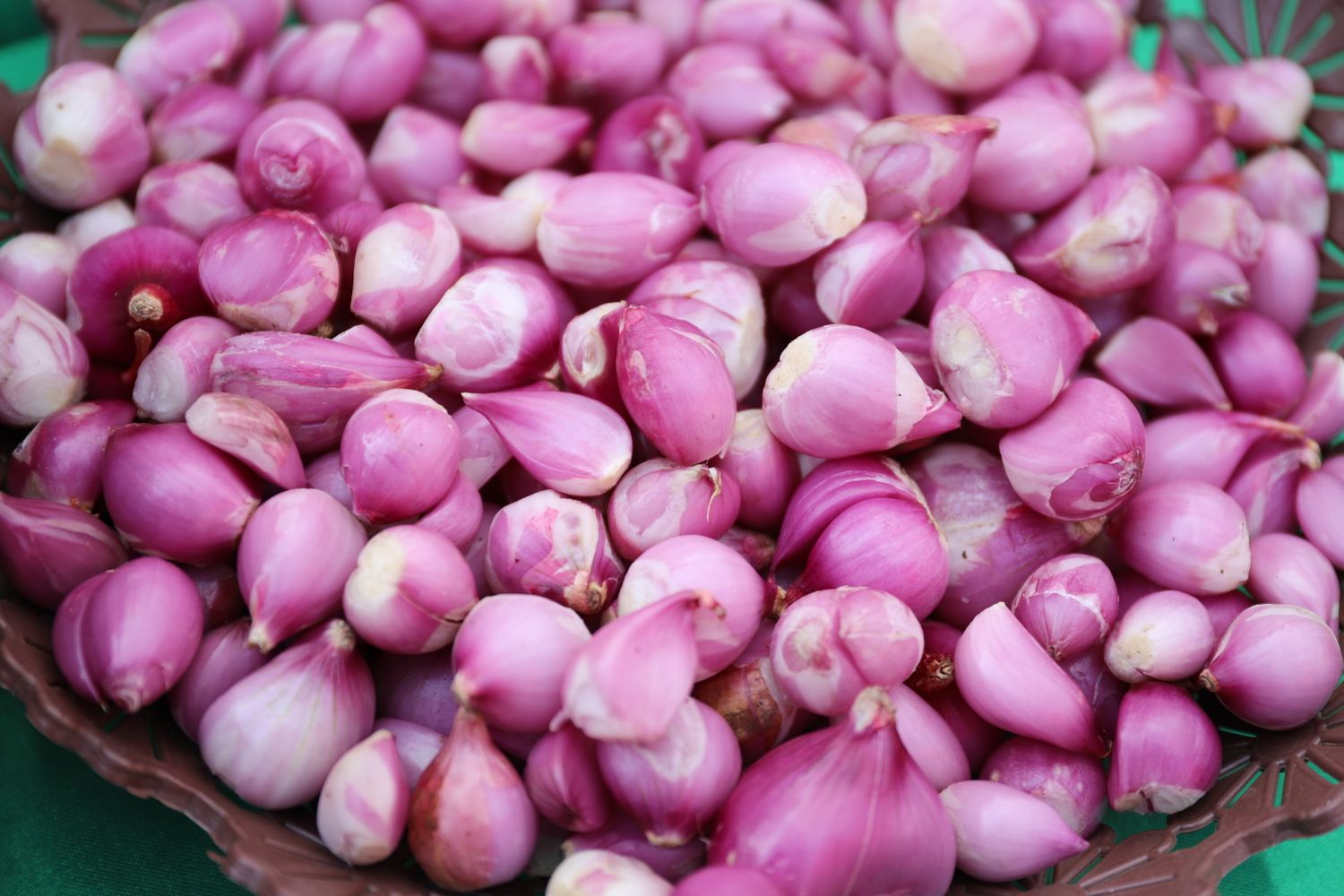
- Shallots aren’t a separate species from onions. In 2010, taxonomists folded them into Allium cepa, the same species as the common onion, as a variety called the Aggregatum Group, because the botanical differences were too small to justify keeping them separate.
- What sets shallots apart isn’t a different plant so much as lower pungency, meaning less of the sharp compound that makes raw onion bite back, which is why they work well eaten raw in a way most onions don’t.
- What a shallot needs to do in the recipe matters more than what you have on hand. Raw dishes need a mild, low-bite substitute like red onion or scallion. Cooked dishes have more room for a stronger substitute like onion and garlic combined.
- Shallots are high in FODMAPs, just like onion and garlic, so if you’re avoiding them for digestive reasons rather than a pantry shortage, the green tops of scallions, chives, and leek greens are the substitutes that actually work.
Understanding What a Shallot Actually Brings to a Dish
Before picking a substitute, it helps to know what makes a shallot different from the onion sitting right next to it in the produce drawer, since the two are more closely related than most people realize.
🔬 A Milder Cousin, Not a Different Plant
For decades, shallots were classified as their own species, Allium ascalonicum. That changed in 2010, when taxonomists folded them into Allium cepa, the same species as the common onion, placing them in a group called the Aggregatum Group alongside other onions that grow in clusters rather than single bulbs. In other words, a shallot is botanically an onion, just one bred and grown to produce smaller, milder, sweeter bulbs.
That mildness comes down to lower pungency, meaning shallots contain less of the sharp, tear-inducing compound that builds up in a regular onion as it’s cut. Combined with a naturally higher sugar content, this is what gives shallots their reputation for tasting like a cross between onion and garlic, sweet and complex without the sting of biting into a raw onion. It’s also why shallots hold up so well raw in a vinaigrette or a mignonette sauce, where a chopped yellow onion would completely take over the dish. Keeping that raw-versus-cooked distinction in mind is the key to picking a substitute that actually fits the job.
The Best Shallot Substitutes
1. Yellow Onion, Minced, Plus a Little Garlic (Best All-Purpose Cooked Substitute)
Mixing finely minced yellow onion with a small amount of garlic gets closer to a shallot’s onion-and-garlic character than either ingredient does on its own. The onion provides the base sweetness while the garlic fills in the sharper note shallots naturally carry. This combination works especially well in a pan sauce like the one in our low-carb carrot ginger dressing, which already calls for a shallot but notes that a clove or two of garlic works fine if that’s all you have on hand.
✅ Best for: Pan sauces, braises, soffritto, soups, stews.
Ratio: About 1 to 2 tablespoons finely minced onion plus 1 small clove minced garlic per shallot, starting light since shallot sizes vary
Note: Cook the onion down a bit longer than you would a shallot, since it’s tougher and needs more time to soften.
2. Red Onion, Finely Minced (Best for Raw Dishes)
Red onion is the closest visual match to shallot in raw preparations, with a similar reddish-purple tone and a milder bite than yellow onion once it’s minced fine. It works well in vinaigrettes and dressings like the shallot in our strawberry pecan salad’s vinaigrette, where the goal is a background note of onion rather than a sharp bite. Soaking the minced red onion in cold water for about 10 minutes before using pulls out some of the harshness and gets it closer to shallot’s natural mildness.
✅ Best for: Vinaigrettes, mignonette, raw salsas, salad dressings.
Ratio: 1:1 in place of minced shallot
Note: Soak in cold water for about 10 minutes first to soften the sharpness for raw use.
3. Garlic Alone (Best When That’s All You Have)
Garlic brings real intensity where shallot brings subtlety, so this substitute works best in small amounts, in dishes where a little extra punch won’t throw things off, and in recipes that call for shallot mostly as a background flavor rather than the main event. Start with less than you think you need, since garlic’s flavor is considerably stronger and more one-note than a shallot’s balance of sweet and sharp.
✅ Best for: Small amounts in sauces and dressings where shallot plays a background role.
Ratio: 1 small clove garlic per shallot, added gradually to taste
Note: Garlic lacks shallot’s sweetness entirely, so the flavor balance of the dish will shift.
4. Scallions, White and Light Green Parts (Best Mild Substitute for Raw or Cooked)
The white and light green portions of a scallion have a gentle onion flavor that works in both raw and cooked applications without needing much adjustment. They lack shallot’s garlicky undertone, but their mildness makes them a safe substitute almost anywhere a recipe calls for a delicate touch of allium flavor, whether that’s stirred into a dressing or sautéed briefly at the start of a sauce.
✅ Best for: Dressings, garnishes, stir-fries, light sauces.
Ratio: 1:1 in place of minced shallot, using the white and light green parts only
Note: Save the dark green tops for garnish rather than using them here, since they’re milder and more grassy than oniony.
5. Leeks, White and Light Green Parts (Best for Soups and Sauces)
Leeks bring a sweet, mellow onion flavor that works particularly well in dishes that simmer for a while, since their texture softens down nicely with a bit of cooking time. Use only the white and pale green sections, since the dark green tops are tough and fibrous. Rinse the sliced leek well under cold water first, since dirt tends to hide between the layers.
✅ Best for: Soups, sauces, braises, quiches.
Ratio: 1:1 in place of minced shallot, using white and light green parts only
Note: Rinse thoroughly, since grit collects between the layers as the leek grows.
6. Sweet Onion, Such As Vidalia (Best Mellow Substitute for Longer Cooking)
Sweet onion varieties like Vidalia have a lower sulfur content than standard yellow onion, which gives them a rounder, less sharp flavor that’s closer to shallot’s natural sweetness. Their texture is a bit tougher than shallot, though, so they benefit from being chopped fine and given extra time in the pan to soften and caramelize before the rest of the dish comes together.
✅ Best for: Braises, roasted dishes, caramelized applications.
Ratio: 1:1 in place of minced shallot
Note: Chop finely and cook longer than you would a shallot to soften its tougher texture.
7. Pearl Onions (Best for Stews and Braises)
Pearl onions are small enough to stand in for shallots in dishes where whole or halved alliums are part of the dish itself, like a braise or a stew where the onions are meant to be seen and eaten rather than blended into a sauce. Their flavor is mild and slightly sweet, closer to shallot than a standard onion, though without shallot’s garlicky edge.
✅ Best for: Stews, braises, roasted vegetable medleys.
Ratio: About 2 pearl onions per shallot
Note: Peel before adding. Works best in dishes where whole small onions fit the presentation.
8. Chives (Best Light Garnish, Not for Cooking)
Chives carry a delicate onion flavor that works well sprinkled over a finished dish the way a raw shallot sometimes is, but their thin, hollow texture breaks down fast under heat, so they’re not a fit for anywhere a shallot needs to be cooked into a dish. Use them fresh, chopped fine, right before serving.
✅ Best for: Garnishes, baked potatoes, dips, finishing a dish.
Ratio: 1:1 in place of minced shallot, as a raw garnish only
Note: Not a substitute for cooked applications, since chives wilt and lose flavor quickly under heat.
9. Onion Powder Plus Garlic Powder (Best Pantry Emergency Option)
When there’s no fresh allium of any kind in the house, a small blend of onion powder and garlic powder gets a dish most of the way to shallot’s flavor profile, even without the texture. This works best in a sauce, soup, or braise where the shallot was contributing flavor rather than a textural bite, since powdered seasonings disappear into a dish rather than sitting in it.
See also

✅ Best for: Sauces, soups, spice rubs, dishes where texture doesn’t matter.
Ratio: About ¼ teaspoon onion powder plus ¼ teaspoon garlic powder per shallot
Note: Add earlier in cooking so the powder has time to bloom and distribute through the dish.
Substitute Comparison by Use Case
| Need | Best Substitute | Ratio | Notes |
|---|---|---|---|
| All-purpose cooked substitute | Yellow onion plus garlic | 1-2 tbsp onion and 1 clove garlic | Closest match to shallot’s flavor profile |
| Vinaigrettes and raw dishes | Red onion, finely minced | 1:1 | Soak in cold water to soften bite |
| Only have garlic | Garlic alone | 1 small clove | Use less than you think, no sweetness |
| Mild flavor, raw or cooked | Scallions, white and light green | 1:1 | Save dark greens for garnish |
| Soups and simmered sauces | Leeks, white and light green | 1:1 | Rinse well between layers |
| Whole onions in a stew | Pearl onions | 2 per shallot | Best where onions are meant to be seen |
| Garnish only | Chives | 1:1 | Wilts under heat, use raw and fresh |
| No fresh allium on hand | Onion powder plus garlic powder | ¼ tsp each | Add early so flavor has time to bloom |
Frequently Asked Questions
What is the closest substitute for shallots?
For cooked dishes, finely minced yellow onion combined with a small amount of garlic is the closest overall match, since it recreates both the sweetness and the subtle garlic note a shallot naturally has. For raw dishes, finely minced red onion, soaked briefly in cold water to soften its bite, is the closer match in both flavor and color.
Can I use regular onion instead of shallots?
Yes, though regular onion is sharper and more pungent than shallot on its own. Adding a small clove of minced garlic alongside the onion helps close that gap, especially in cooked dishes. For raw preparations like a vinaigrette, red onion works better than yellow, since it’s milder and closer to shallot’s natural color.
How many shallots equal one onion?
As a rough guide, about 3 to 4 medium shallots are roughly equivalent in volume to one medium onion, since individual shallots are considerably smaller. Going the other direction, a small onion, finely minced, can generally replace 3 to 4 shallots in a recipe, with a little garlic added to round out the flavor.
Are shallots and onions the same thing?
Botanically, yes, in a sense. Shallots were once classified as a separate species, but in 2010 they were reclassified as a variety of Allium cepa, the same species as the common onion, placed in a group called the Aggregatum Group. Shallots are essentially a milder, sweeter type of onion rather than an entirely different plant, which is exactly why regular onion works as a substitute in the first place.
Is there a low FODMAP substitute for shallots?
Shallots are high in FODMAPs, specifically fructans, just like onion and garlic, so a fructan-sensitive substitute needs to be a genuinely different part of the plant rather than just a different allium. The green tops of scallions, whole chives, and the dark green parts of leeks are all low FODMAP and carry a real onion flavor. Another option is cooking shallot or onion pieces in oil and then removing them before serving, since the fructans that trigger symptoms are water-soluble and stay behind in the solid pieces rather than the oil.
Can I substitute shallots with garlic powder or onion powder?
Yes, when there’s no fresh allium available at all. A blend of about a quarter teaspoon each of onion powder and garlic powder per shallot gets a dish most of the way to the right flavor, though it won’t replace the texture a fresh, minced shallot adds to a dish.
Why do some recipes call specifically for shallots instead of onion?
Shallots are lower in pungency and higher in sugar than most onions, which lets them be used raw without the sharp bite a raw onion brings, and gives cooked dishes a more delicate, rounded sweetness. Recipes that call for shallots specifically, especially French sauces and vinaigrettes, are usually relying on that subtlety rather than needing an intensely oniony flavor. A few substitute guides describe shallots as a completely separate species from onion, but that’s outdated. The 2010 reclassification settled it: a shallot is a variety of onion, not a different plant entirely.
Can I use dried minced onion instead of shallots?
Yes, in a pinch, though dried minced onion is much more concentrated than fresh shallot, so a little goes a long way. Use about 1 teaspoon of dried minced onion for every shallot the recipe calls for, and add it early in cooking so it has time to rehydrate and soften. It won’t bring the texture of fresh shallot, so it works best in soups, stews, and sauces rather than anywhere the shallot’s texture is part of the dish.
What’s the best shallot substitute for French onion soup?
Plain yellow onion works fine on its own for French onion soup, since the long, slow caramelization is doing most of the flavor work regardless of which allium you start with. Many French onion soup recipes actually call for a mix of onion and shallot rather than shallot alone, precisely because shallot adds sweetness without needing much of it. If a recipe calls for shallots specifically in this context, plain onion left to caramelize a little longer than usual gets you most of the way there.
Further Reading
Better Living may earn commissions through affiliate links and may occasionally feature sponsored or partner content. If you make a purchase through our links, we may receive a small commission at no cost to you.